Sliding barn doors have moved far beyond farmhouse décor. Today, they are one of the most practical and visually impactful ways to solve space problems in real homes. Whether you are replacing a swinging door, upgrading a closet, or adding a design feature to an open layout, a well-planned barn door can completely change how a room functions.
That said, barn doors are not a one-size-fits-all solution. The difference between a door that feels intentional and one that feels awkward usually comes down to planning, measurements, and hardware choices. That is exactly what BarndoorStyle.com is here to help with.
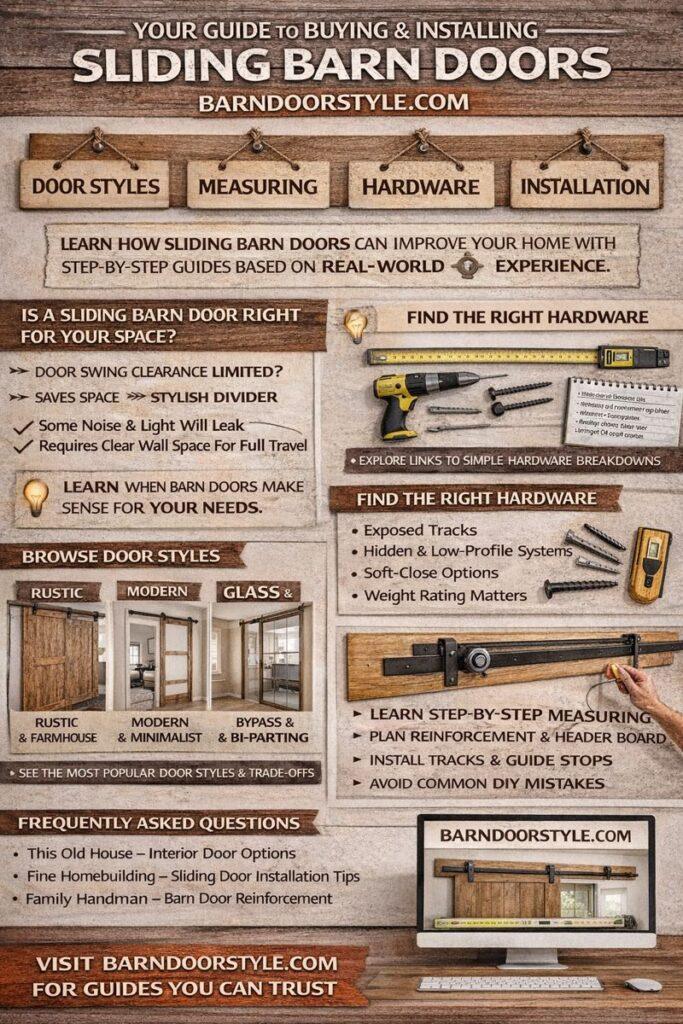
This site exists to walk you through the entire process—from deciding if a barn door is right for your space, to choosing the right style and hardware, to installing it correctly the first time.
What You’ll Find On BarndoorStyle.com
If you are new to sliding barn doors, it can be overwhelming. There are dozens of styles, track types, and installation methods. BarndoorStyle.com is designed to simplify those decisions with clear guidance and realistic expectations.
Here, you will learn:
- How to decide if a sliding barn door works for your space
- Which door styles make sense for different rooms
- What hardware you actually need (and what you don’t)
- How to measure correctly before buying anything
- What installation really involves for DIY homeowners
This is not just inspiration. It is practical, step-by-step help based on how these doors behave in real homes.
Is A Sliding Barn Door Right For Your Space?
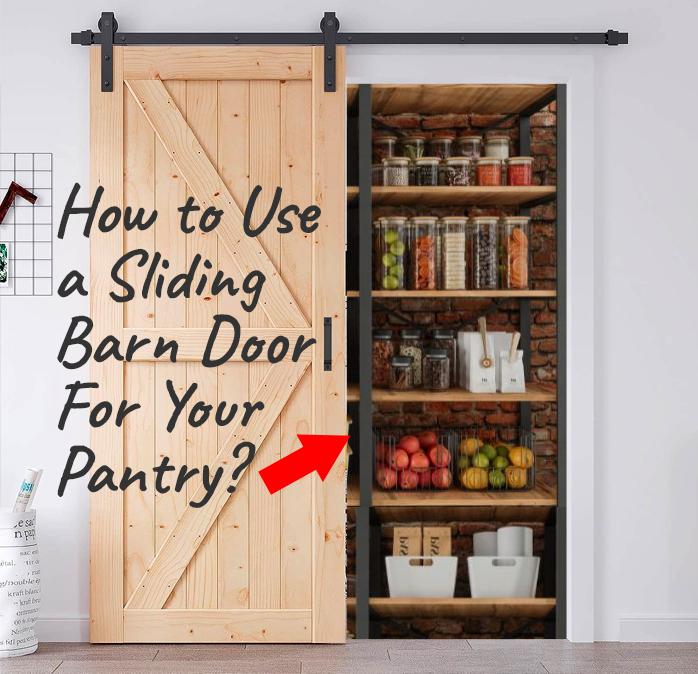
One of the first questions to answer is whether a barn door solves a real problem for you. Sliding barn doors shine when swing clearance is limited or when you want to free up floor space. They also work well as visual dividers in open layouts.
However, they come with trade-offs. Barn doors do not seal tightly like traditional hinged doors. Sound and light can pass around the edges. They also require clear wall space for the door to slide.
If privacy or sound control is critical, a barn door may not be ideal. If space efficiency and style matter more, it can be a great solution. Understanding that balance early prevents regret later.
Exploring Different Barn Door Styles
Door style is usually the first thing people notice, but it also affects weight, hardware choice, and installation complexity.
Common styles include:
- Rustic and farmhouse doors, often made from solid wood with visible grain. Some examples include Herringbone and Barnwood
- Modern slab doors, clean and minimal with smooth surfaces
- Glass or mixed-material doors, which allow light to pass through (ie. frosted glass for bathrooms)
- Bypass or Bifold Doors, used when wall space is limited or openings are wide
Heavier doors look substantial but require stronger hardware and careful mounting. Lighter doors are easier to install but may feel less dramatic. The goal is choosing a style that fits both your design taste and your wall structure.
How To Buy The Right Barn Door
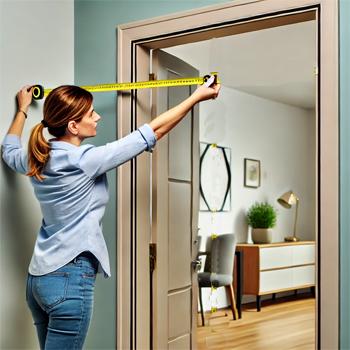
Buying a barn door is not just about choosing a panel. Size, overlap, track height, and wall space all matter.
Accurate measuring is where most mistakes happen. Doors that are too narrow leave gaps. Doors that are too tall interfere with ceilings or trim. We include clear measuring guidance to help you avoid those issues. Start with the measurement guide here.
This walks through door width, height, overlap, and track clearance so you can order confidently.
Choosing Hardware That Actually Works
Hardware is the backbone of any sliding barn door. It controls how the door moves, how quiet it is, and how long it lasts.
Here, you will find breakdowns of:
- Standard exposed tracks
- Concealed or low-profile systems
- Soft-close options
- Bypass and bi-parting hardware
Hardware must always be rated for the full door weight, including glass and handles. Under-rated hardware is one of the most common causes of failure. You can explore hardware options here.

What Installation Really Involves
Installing a barn door is very doable for many homeowners, but it requires precision. Sliding systems magnify small errors.
Most installations involve:
- Locating studs or installing a header board
- Leveling the track perfectly
- Hanging and adjusting the door
- Installing floor guides and stops
Skipping reinforcement or relying on drywall anchors is risky. We explain when a header board is needed and how to install one properly. Installation guidance is available here.
Realistic Expectations After Installation
A properly installed barn door should slide smoothly, feel solid, and look intentional. It should not wobble, scrape, or drift on its own.
At the same time, it will not behave like a traditional door. Small gaps are normal. Sound passes through. Locks are optional and usually decorative.
Knowing this upfront helps you appreciate the door for what it is rather than expecting it to perform like a sealed interior door.
Frequently Asked Questions
Do sliding barn doors save space?
Yes. They eliminate door swing and free up usable floor area.
Can I install a barn door myself?
Many homeowners do, as long as they measure carefully and reinforce the wall properly.
Do barn doors work for bedrooms or bathrooms?
They can, but privacy and sound control are limited.
What is the most common installation mistake?
Incorrect measurements and inadequate wall support.
Are barn doors just a trend?
They have evolved into a practical solution, especially in small or open spaces.
Welcome To BarndoorStyle.com
BarndoorStyle.com is designed to help you make confident decisions about sliding barn doors—from first idea to final installation. Whether you are planning a single door or an entire home upgrade, the goal is the same: a door that fits your space, works smoothly, and looks like it belongs there.
Take your time, explore the guides, and plan before you buy. A great barn door starts with good information.